

Understanding the psychology behind gambling What drives players to take risks
The Thrill of Uncertainty
The allure of gambling often hinges on the thrill of uncertainty. Players are drawn to the unpredictable nature of games, where every spin of a slot machine or roll of the dice brings the possibility of an unexpected win. This excitement releases dopamine in the brain, a neurotransmitter that fuels feelings of pleasure and reward. As players experience wins, even minor ones, they feel compelled to continue, driven by the euphoric highs that come from moments of chance. As an engaging platform, karhubet.org offers various opportunities for players to immerse themselves in this riveting experience.
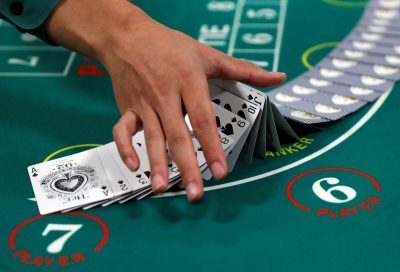
This psychological response can create a cycle of risk-taking behavior. For many individuals, the excitement associated with uncertainty outweighs the potential negative consequences. They are captivated by the idea that they could beat the odds, which taps into a fundamental human desire for control and mastery over their environment. This dynamic can lead players to engage in gambling more frequently, often without fully considering the ramifications of their actions.
Moreover, this thrill can also be exacerbated by social settings. Group activities such as poker nights or casino trips can amplify the excitement, as players feed off each other’s energy. In such contexts, the thrill of uncertainty becomes a shared experience, further encouraging individuals to take risks. Thus, the interplay between personal psychology and social influences becomes a crucial factor in understanding gambling behavior.
Risk and Reward Psychology
The psychology of risk and reward plays a significant role in gambling behavior. Many gamblers inherently understand the concept of risk-reward trade-offs; they weigh the potential outcomes before placing a bet. This evaluation, however, is often distorted by cognitive biases. For instance, players may overestimate their chances of winning or underestimate the frequency of losses, which can lead to reckless decision-making.
Furthermore, the concept of “loss aversion” suggests that people experience losses more intensely than gains of the same size. As a result, gamblers might chase their losses, attempting to recover previous losses by increasing their bets. This behavior can spiral out of control, as players become emotionally invested and start making decisions based on emotion rather than logic. Understanding this psychological phenomenon helps illustrate why some individuals find it difficult to quit, even when it becomes detrimental to their financial well-being.
Another aspect of this risk-reward psychology is the concept of “near misses.” Players who come close to winning often experience a boost in motivation. For example, if a player spins a slot machine and lands two out of three symbols, they might feel encouraged to keep playing, believing that a win is just around the corner. This false sense of hope can be a powerful motivator, contributing to continuous gambling despite the potential for significant loss.
Social and Environmental Influences
The social and environmental context surrounding gambling can greatly influence individual behavior. Friends, family, and cultural norms shape perceptions of gambling, often normalizing risk-taking. When gambling is framed as a form of entertainment, it may be more readily accepted and pursued by individuals. Social interactions can serve as both encouragement and deterrents, creating a complex web of influences that shape gambling habits.
Environmental factors also play a role in risk-taking behaviors. The ambiance of a casino, for instance, is designed to stimulate excitement and prolong engagement. Bright lights, upbeat music, and free drinks can create a sense of urgency, pushing players to take risks they might otherwise avoid. This deliberate design is aimed at maximizing player involvement, as the environment can significantly impact decision-making and risk perception.
Additionally, peer pressure can further exacerbate gambling behaviors. In group settings, individuals may feel compelled to match the stakes of others, leading to increased risk-taking. When individuals perceive gambling as a shared social activity, they might feel the need to conform to the behaviors of their peers, overriding their personal limits. Thus, social and environmental factors not only influence individual decisions but also create a culture that encourages risk-taking in gambling.
Emotional Factors in Gambling
Emotions play a crucial role in the decision-making process related to gambling. Many individuals turn to gambling as a means of coping with stress, anxiety, or depression. The thrill of potential rewards can temporarily alleviate negative feelings, offering a fleeting escape from reality. Unfortunately, this reliance on gambling as an emotional crutch can lead to compulsive behavior, where individuals prioritize gambling over their mental well-being.
Moreover, emotions such as excitement and euphoria during gambling can cloud judgment, causing players to overlook the inherent risks involved. When they win, the emotional high reinforces the behavior, creating a feedback loop that encourages more gambling. This emotional connection can be particularly dangerous, as it may lead individuals to justify their actions, thinking that they can replicate past successes or control their luck.
Lastly, understanding the role of emotions in gambling helps illuminate why individuals may struggle with addiction. The initial excitement may turn into a need for larger bets or more frequent play to achieve the same emotional highs. When gambling becomes intertwined with emotional states, it can result in a profound dependency that requires professional help to overcome. Recognizing these emotional factors is essential in addressing gambling-related problems.
Karhubet Casino and Responsible Gaming
Karhubet Casino offers a comprehensive platform that aligns with responsible gaming principles. Launched in 2025, this online casino provides a user-friendly experience tailored to Finnish players, featuring a vast selection of games that span various genres. The casino emphasizes player safety and encourages responsible gambling practices, ensuring that players enjoy their experience without falling into the traps of compulsive behavior.
New players at Karhubet Casino can benefit from enticing promotions, such as 150 free spins on popular games, providing an exciting introduction while promoting moderation. The platform also incorporates features that help players monitor their gaming habits, including deposit limits and self-exclusion options, fostering a culture of responsible play. This commitment to player welfare is evident in its secure payment methods and dedicated customer support, ensuring a safe and enjoyable environment for all users.
By understanding the psychology behind gambling, Karhubet Casino aims to provide not only entertainment but also a platform that prioritizes player health. The casino encourages players to enjoy the thrill of gaming while remaining aware of their limits, ensuring that the experience is not just exhilarating but also sustainable. This balance between enjoyment and responsibility forms the foundation of Karhubet’s approach to online gaming.
